
silver

Getting started: My metalsmithing journey

I get asked every so often how I first stumbled into the world of metal jewelry, so I thought I’d share the story here on the blog. It wasn’t planned— it was simply one small decision that opened a door I didn’t know I’d been looking for.
A Class That Changed Everything - It started when I signed up for an extension metalsmithing class at UCLA. I didn’t have expectations or a grand artistic vision. I just felt curious. On the very first day, my instructor placed a small silver ingot in my hand and showed me how to cut it with a jeweler’s saw. That moment hooked me instantly. Working with metal felt grounding, almost meditative.
Falling Down the Rabbit Hole of Tools- Once I realized how much I loved it, I did what any newly obsessed maker does: I started collecting tools. A bench pin, jeweler’s saw, blades, a small torch, beeswax, pliers, files, solder, flux, a pickle pot, brushes, a vise, a third hand, a ring mandrel, a rawhide hammer, and eventually a whole assortment of other tools I didn’t know existed before.
Learning From Books, Artists, and Anyone Who Would Teach Me - I devoured every metalsmithing book I could find. I signed up for a couple more seminars with artists whose work inspired me, eager to understand their techniques.
And that’s how it began. There was no dramatic turning point — just one class, one tool, one silver ingot, and a spark that never went out. What started as curiosity became a craft, a practice, and eventually a part of what I do.
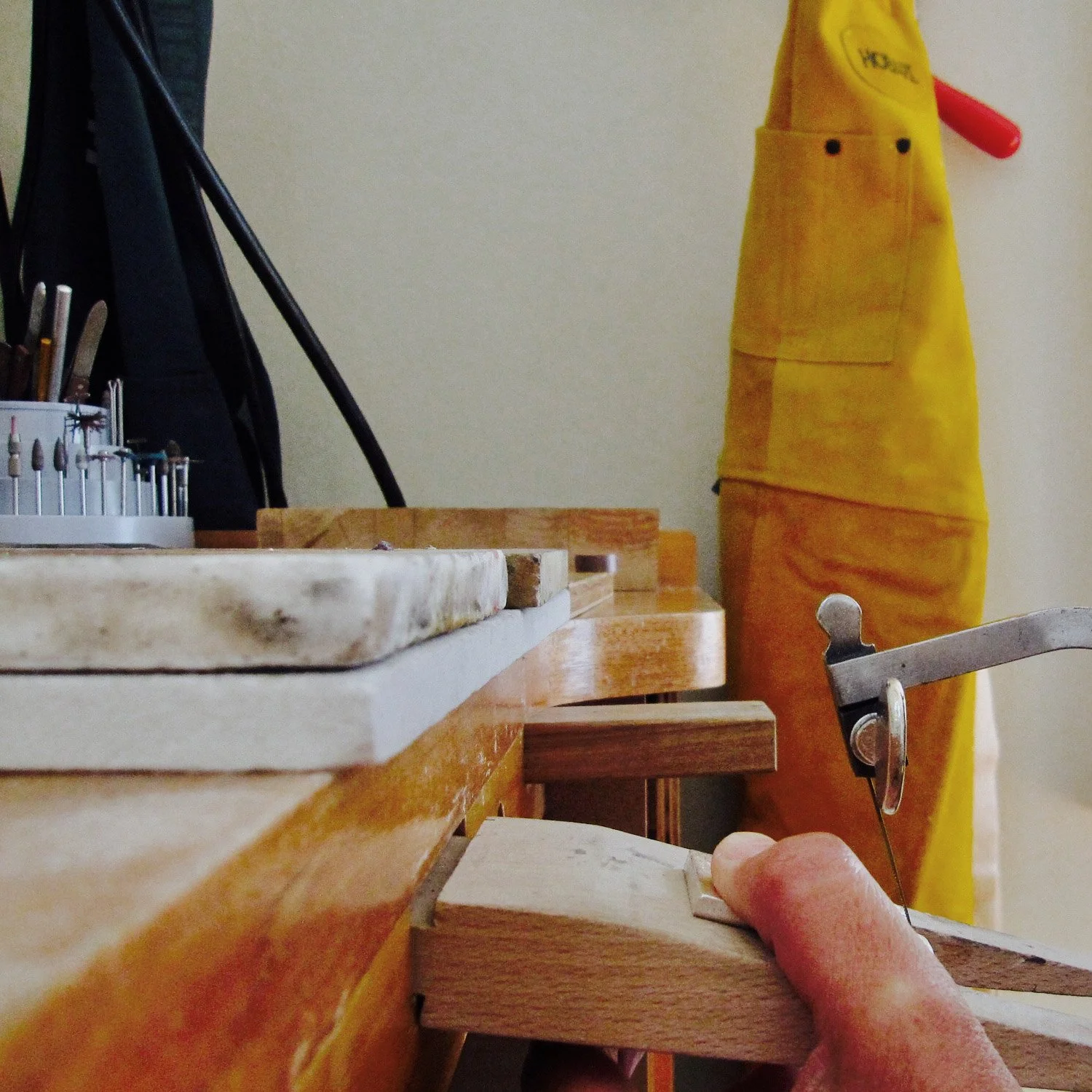
Maddalena Bearzi at the jewelry bench with an ingot of silver and a saw
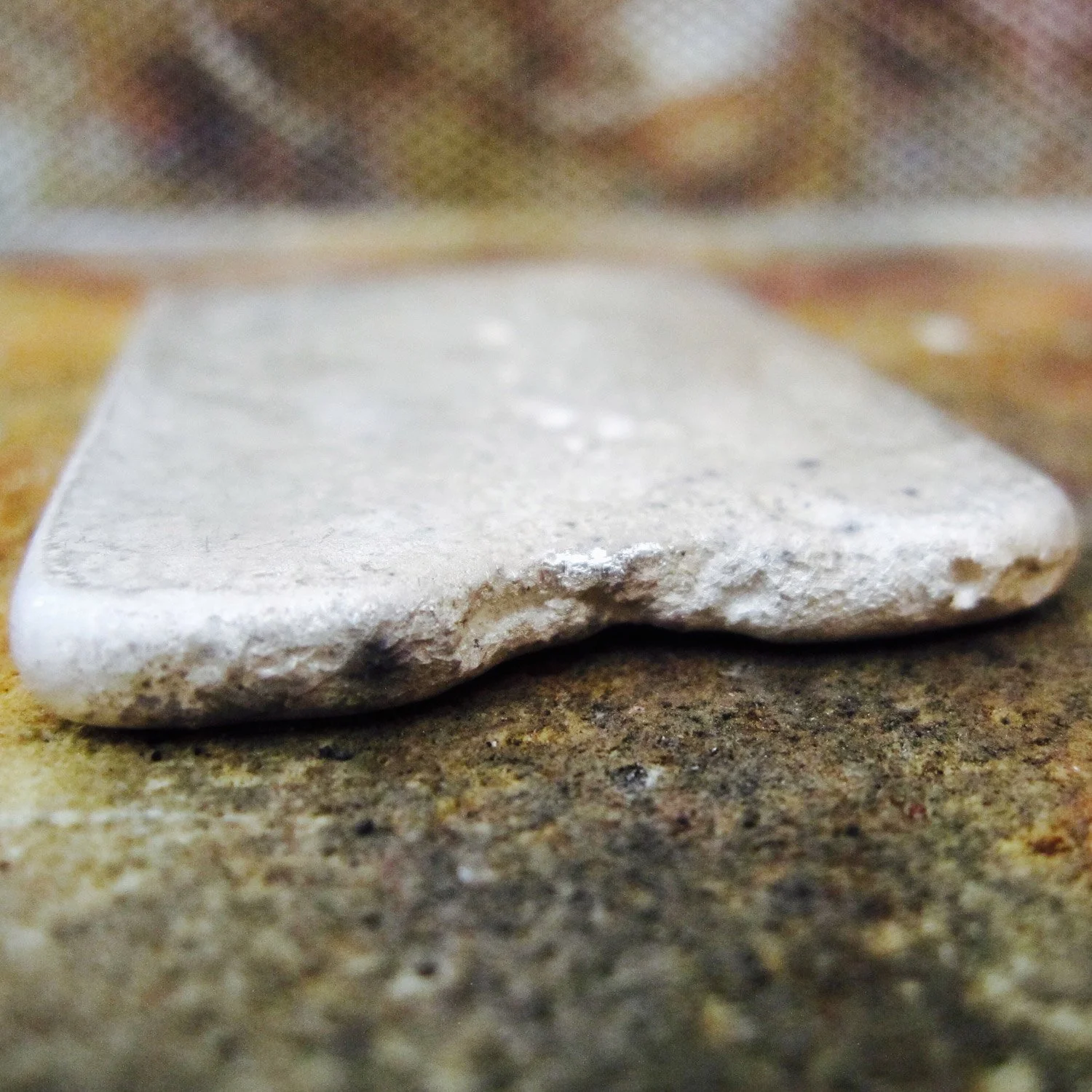
Softening silver: The magic of annealing

Annealing is a simple heat‑treatment process that softens metal, making it easier to bend, shape, and work with. If you hammer or form a metal like silver, it naturally tends to harden—so annealing brings it back to a “pliable” state.
Quick Facts:
-
Kiln annealing: 730°C (1346°F) for 30 minutes, then quench
- Torch annealing: 1–3 minutes (depending on the metal) until the metal glows red
How to Anneal a Silver Sheet:
1. Prepare your pickle solution
2. Place the silver on a soldering block and heat evenly until it turns red
3. Let it cool until it darkens, then quench in water
4. Pickle for about 5 minutes and remove with tweezers
5. Rinse and dry
Above all, enjoy the process!

Maddalena bearzi readies to anneal an ingot of silver in her Los Angeles studio

How to oxidize silver for jewelry making

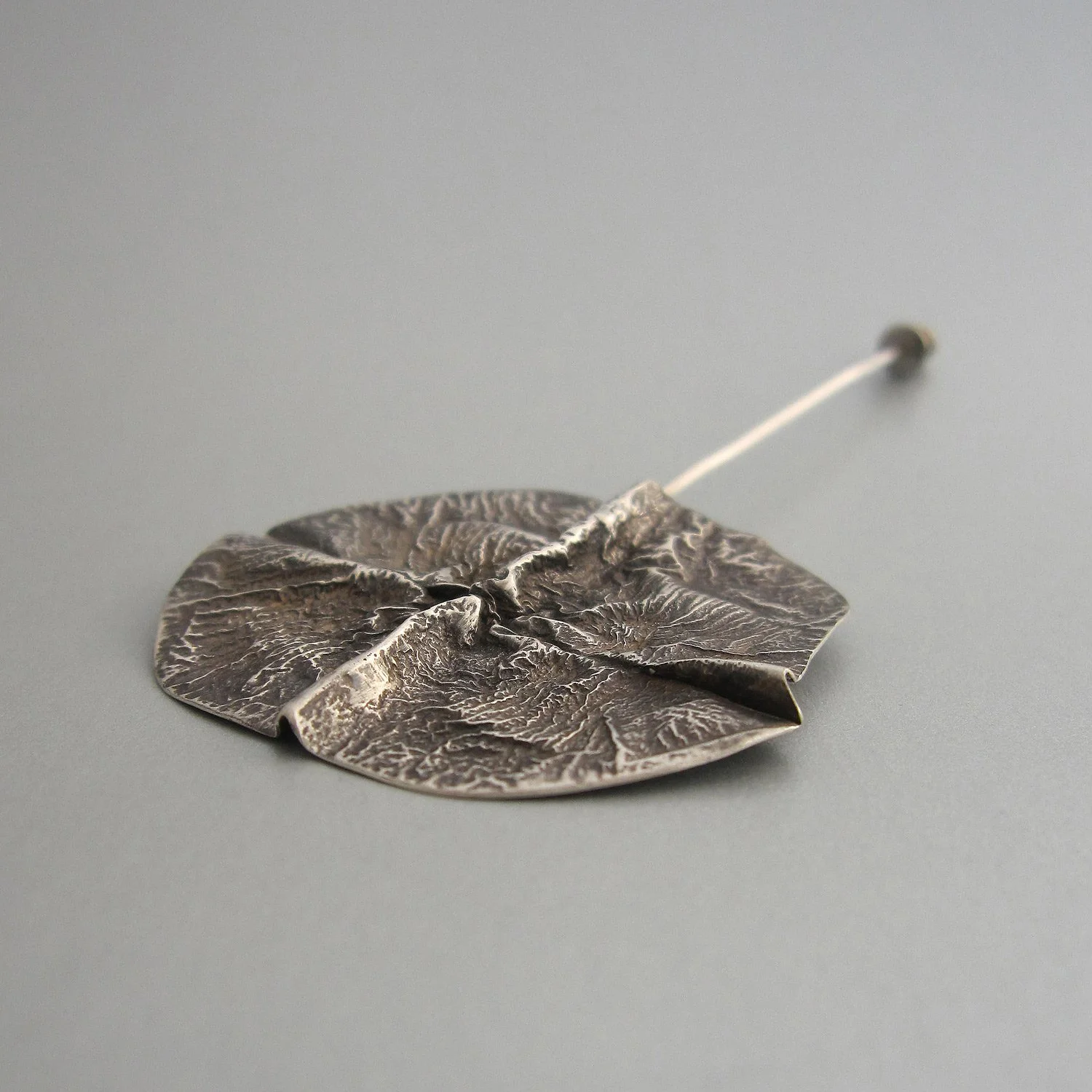
Oxidizing silver is one of my favorite techniques when I make jewelry. It’s a straightforward process that adds depth, contrast, and character to my pieces. A darkened surface helps highlight details like hammer marks, engraving, and granulation. Oxidizing silver also makes pieces feel more organic and lived-in. Whether I want a dramatic finish or to make textures stand out, creating a dark patina is safe and relatively simple with minimal equipment.

Ingredients: Liver of sulfur, a heat‑safe glass or ceramic container, warm water, baking soda, soft cloth or fine steel wool, gloves, and finally good ventilation.

Step‑by‑Step: Creating the Patina

  1. Clean your silver thoroughly. Oils and fingerprints will cause uneven tones. A quick scrub with dish soap or a dip in a jewelry cleaner works well.

  2. Mix your liver of sulfur. Fill your container with warm water and add a small amount of liver of sulfur. The warmer the water and the stronger the solution, the faster and darker the patina will develop.

  3. Dip your silver. Submerge the piece, and watch the color change — it typically shifts from golden to deep charcoal within seconds. Keep it in until you achieve the shade you prefer.

  4. Rinse and neutralize. Remove the piece and place it in a baking‑soda‑and-water bath to stop the reaction.

  5. Refine the finish. If you want contrast, lightly buff raised areas with a soft cloth or steel wool. This leaves the dark patina in the recesses while bringing back shine on the high points.

    The cresta abissale brooch in the image, for sale in the online shop, was handmade using this technique.

Our new vintage page is up!

Yes, we have added a page to our website to display and sell vintage pieces collected by Maddalena Bearzi in different parts of the world. This curated collection consists of unique jewelry rich in history and culture. Each item has lived a previous life so there may be signs of wear and patina from natural aging, which only enhances their beauty. We believe in one of a kind pieces and sustainability, and this page reflects that. Take a look and let us know what you think!

this image shows one of the vintage pieces for sale on our new online page. This sterling silver twisted rope bracelet with unique clasp was handcrafted in Taxco.

Burn silver... and make unique jewelry!

When I work at my bench, I enjoy using different techniques to make nature-inspired jewelry pieces that are both distinctive and sustainable. I usually use reclaimed 925 or 999 silver and other recycled metals such as gold, copper, and bronze. Mixing metals is one of my favorite things to do! The ring in the image - called relitto rosa - has been crafted using reclaimed silver burned with a torch to create a unique effect. This organic-looking, one-of-a-kind, adjustable piece is inspired by a shipwreck on the bottom of the ocean. And if you like to buy it… just go online here!

this handmade ring / band makes a statement on any finger!


How do I forge silver to make jewelry?

It doesn’t look like an easy metal to work with, but silver is actually malleable and offers the opportunity to create unique pieces. “Forging” is an ancient metalsmithing method that allows controlling the shape of silver and other nonferrous metals by hitting the material with a special hammer. The metal needs to be heated with a torch beforehand.
In the image, this one-of-a-kind pendant (for sale online) is forged using the technique described above.

The one of a kind “planeta infossato necklace” handmade in silver