Getting started: My metalsmithing journey

I get asked every so often how I first stumbled into the world of metal jewelry, so I thought I’d share the story here on the blog. It wasn’t planned— it was simply one small decision that opened a door I didn’t know I’d been looking for.
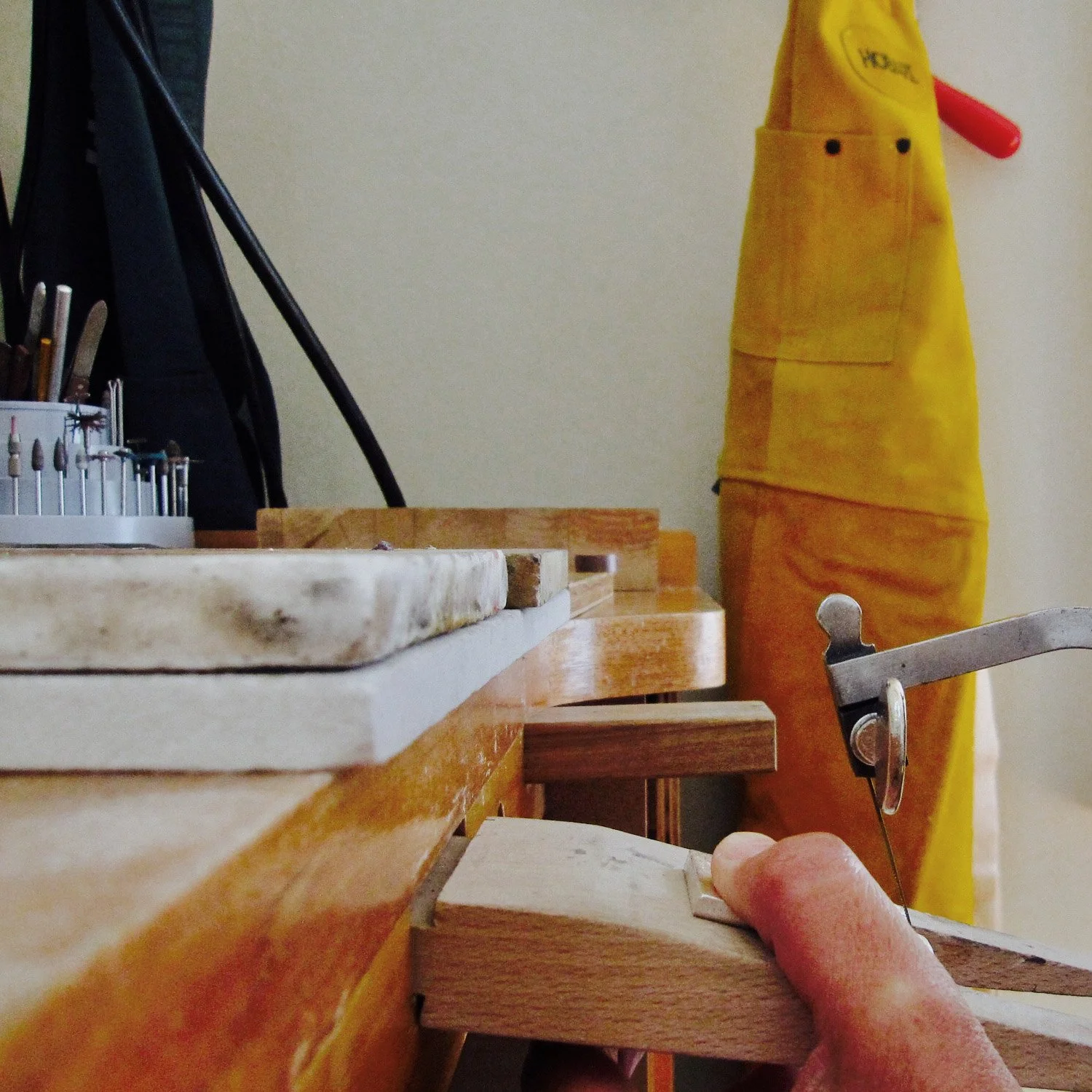
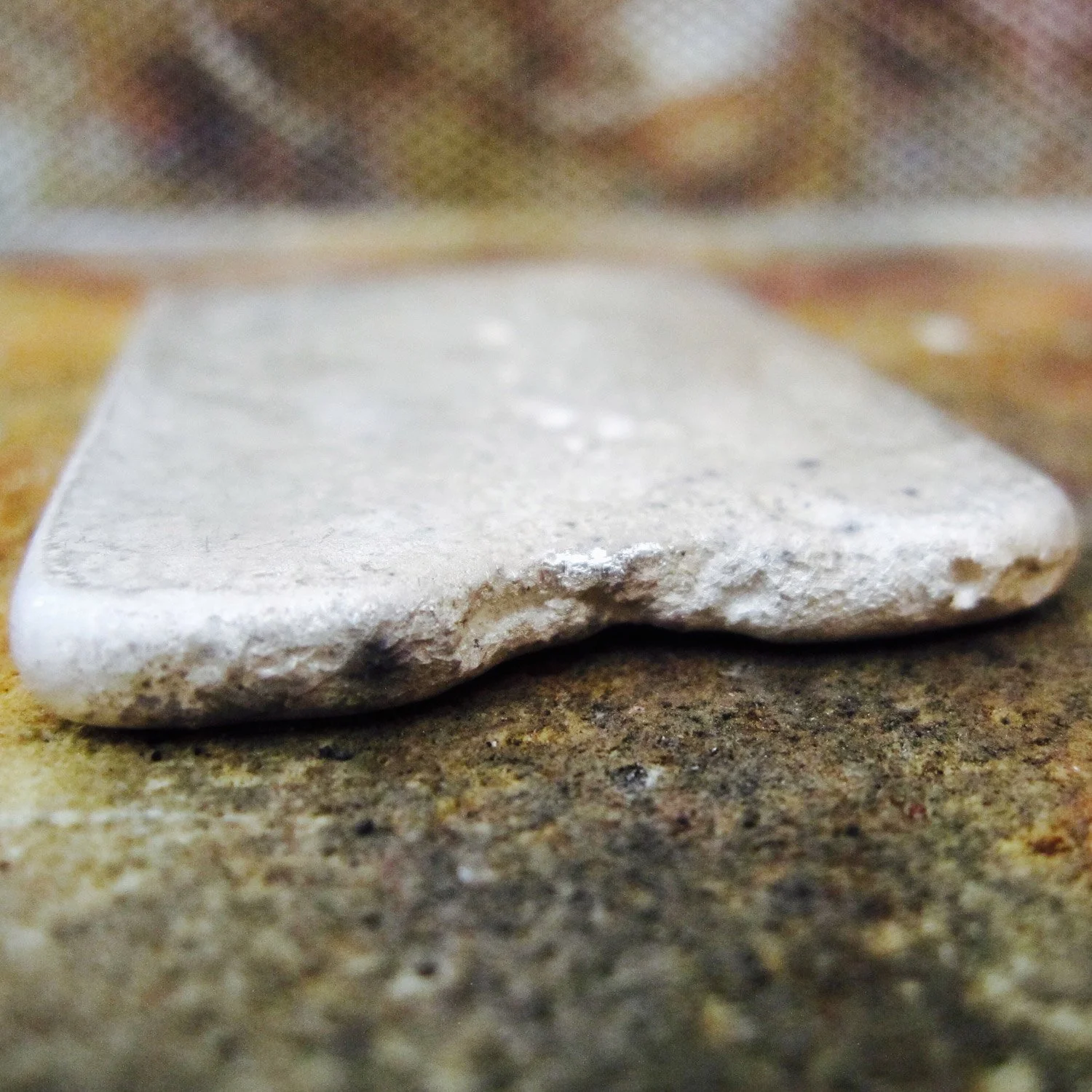
A Class That Changed Everything - It started when I signed up for an extension metalsmithing class at UCLA. I didn’t have expectations or a grand artistic vision. I just felt curious. On the very first day, my instructor placed a small silver ingot in my hand and showed me how to cut it with a jeweler’s saw. That moment hooked me instantly. Working with metal felt grounding, almost meditative.
Falling Down the Rabbit Hole of Tools- Once I realized how much I loved it, I did what any newly obsessed maker does: I started collecting tools. A bench pin, jeweler’s saw, blades, a small torch, beeswax, pliers, files, solder, flux, a pickle pot, brushes, a vise, a third hand, a ring mandrel, a rawhide hammer, and eventually a whole assortment of other tools I didn’t know existed before.
Learning From Books, Artists, and Anyone Who Would Teach Me - I devoured every metalsmithing book I could find. I signed up for a couple more seminars with artists whose work inspired me, eager to understand their techniques.
And that’s how it began. There was no dramatic turning point — just one class, one tool, one silver ingot, and a spark that never went out. What started as curiosity became a craft, a practice, and eventually a part of what I do.

Maddalena Bearzi at the jewelry bench with an ingot of silver and a saw

Where do you get your work ethic from?

During a recent interview, I was asked: “Where do you get your work ethic from?” Here is how I responded:
My work ethic isn’t rooted in just one source. Initially, I was heavily influenced by my parents, both known for their strong work ethic. Over the years, my understanding of work principles grew from what I observed and experienced during my upbringing, including interactions with others, cultural influences, and academic or professional experiences. Naturally, some personal traits also contributed. I remind myself that a solid work ethic doesn’t mean running nonstop or always feeling stressed about work. Instead, it reflects a set of personal values, beliefs, and behaviors that shape how I approach my tasks. My work ethic is motivated by dedication, passion, and enjoyment in what I do.

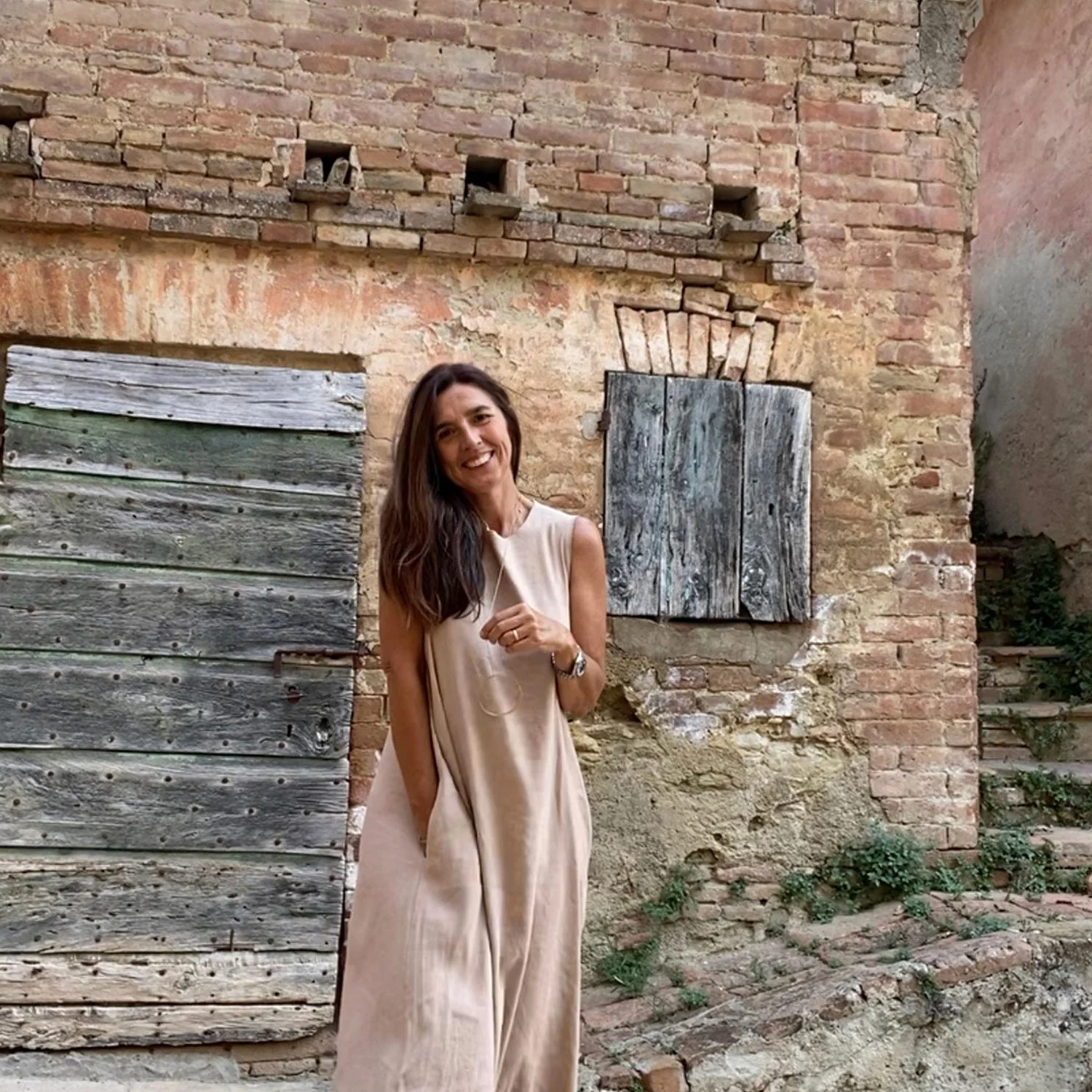
Designer Maddalena Bearzi, wearing her own jewelry, walking the streets of Solomeo, Umbria, Italy.

One of My Favorite Metalsmiths: Harold O’Connor

Every artist has a handful of makers who shape their creative path, and for me, Harold O’Connor is one of those rare influences. I had the chance to take one of his workshops several years ago, diving into techniques like granulation and reticulation—processes he not only mastered but elevated into an art form. That experience left a lasting mark on the way I approach metal.
O’Connor has been a practicing goldsmith for more than forty years, and his work has traveled far beyond the studio bench. His pieces appear in both private and public collections around the world, including The National Ornamental Metal Museum in Memphis, The Goldsmiths’ Hall in London, the Cesky Raj Museum in the Czech Republic, The Metropolitan Museum of Art in New York, and even The Smithsonian Institution in Washington, D.C.
He’s also the author of several respected books—The Jeweler’s Bench Reference being one I return to often.
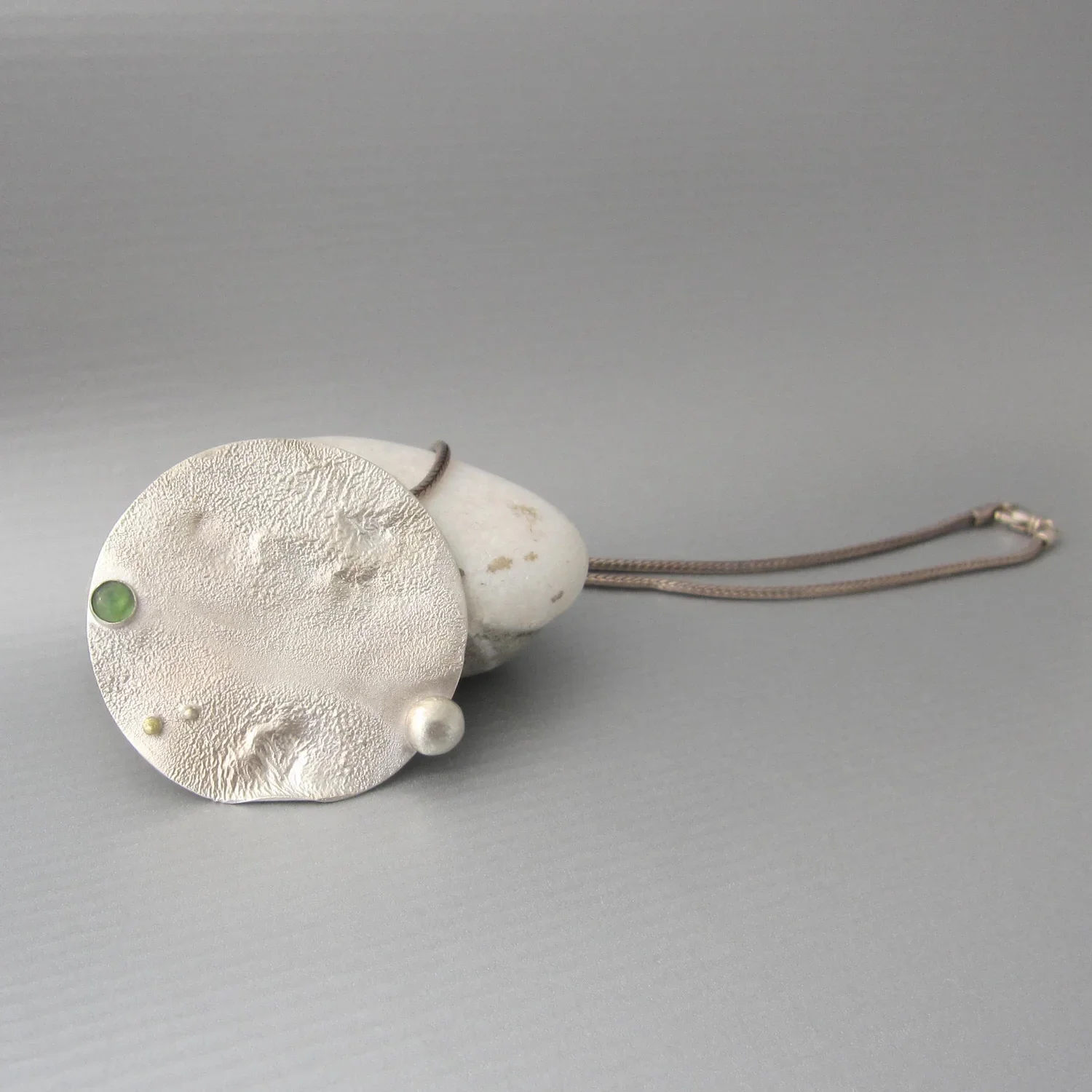
Below is one of my own pieces, the pianeta in verde necklace, created with O’Connor’s techniques in mind. His influence continues to guide my hands at the bench, reminding me that technique and imagination are always in conversation.

One of my handmade pendants inspired by nature and by Harold O’Connor’s techniques.

Softening silver: The magic of annealing

Annealing is a simple heat‑treatment process that softens metal, making it easier to bend, shape, and work with. If you hammer or form a metal like silver, it naturally tends to harden—so annealing brings it back to a “pliable” state.
Quick Facts:
-
Kiln annealing: 730°C (1346°F) for 30 minutes, then quench
- Torch annealing: 1–3 minutes (depending on the metal) until the metal glows red
How to Anneal a Silver Sheet:
1. Prepare your pickle solution
2. Place the silver on a soldering block and heat evenly until it turns red
3. Let it cool until it darkens, then quench in water
4. Pickle for about 5 minutes and remove with tweezers
5. Rinse and dry
Above all, enjoy the process!

Maddalena bearzi readies to anneal an ingot of silver in her Los Angeles studio

How to oxidize silver for jewelry making

Oxidizing silver is one of my favorite techniques when I make jewelry. It’s a straightforward process that adds depth, contrast, and character to my pieces. A darkened surface helps highlight details like hammer marks, engraving, and granulation. Oxidizing silver also makes pieces feel more organic and lived-in. Whether I want a dramatic finish or to make textures stand out, creating a dark patina is safe and relatively simple with minimal equipment.

Ingredients: Liver of sulfur, a heat‑safe glass or ceramic container, warm water, baking soda, soft cloth or fine steel wool, gloves, and finally good ventilation.

Step‑by‑Step: Creating the Patina

  1. Clean your silver thoroughly. Oils and fingerprints will cause uneven tones. A quick scrub with dish soap or a dip in a jewelry cleaner works well.

  2. Mix your liver of sulfur. Fill your container with warm water and add a small amount of liver of sulfur. The warmer the water and the stronger the solution, the faster and darker the patina will develop.

  3. Dip your silver. Submerge the piece, and watch the color change — it typically shifts from golden to deep charcoal within seconds. Keep it in until you achieve the shade you prefer.

  4. Rinse and neutralize. Remove the piece and place it in a baking‑soda‑and-water bath to stop the reaction.

  5. Refine the finish. If you want contrast, lightly buff raised areas with a soft cloth or steel wool. This leaves the dark patina in the recesses while bringing back shine on the high points.

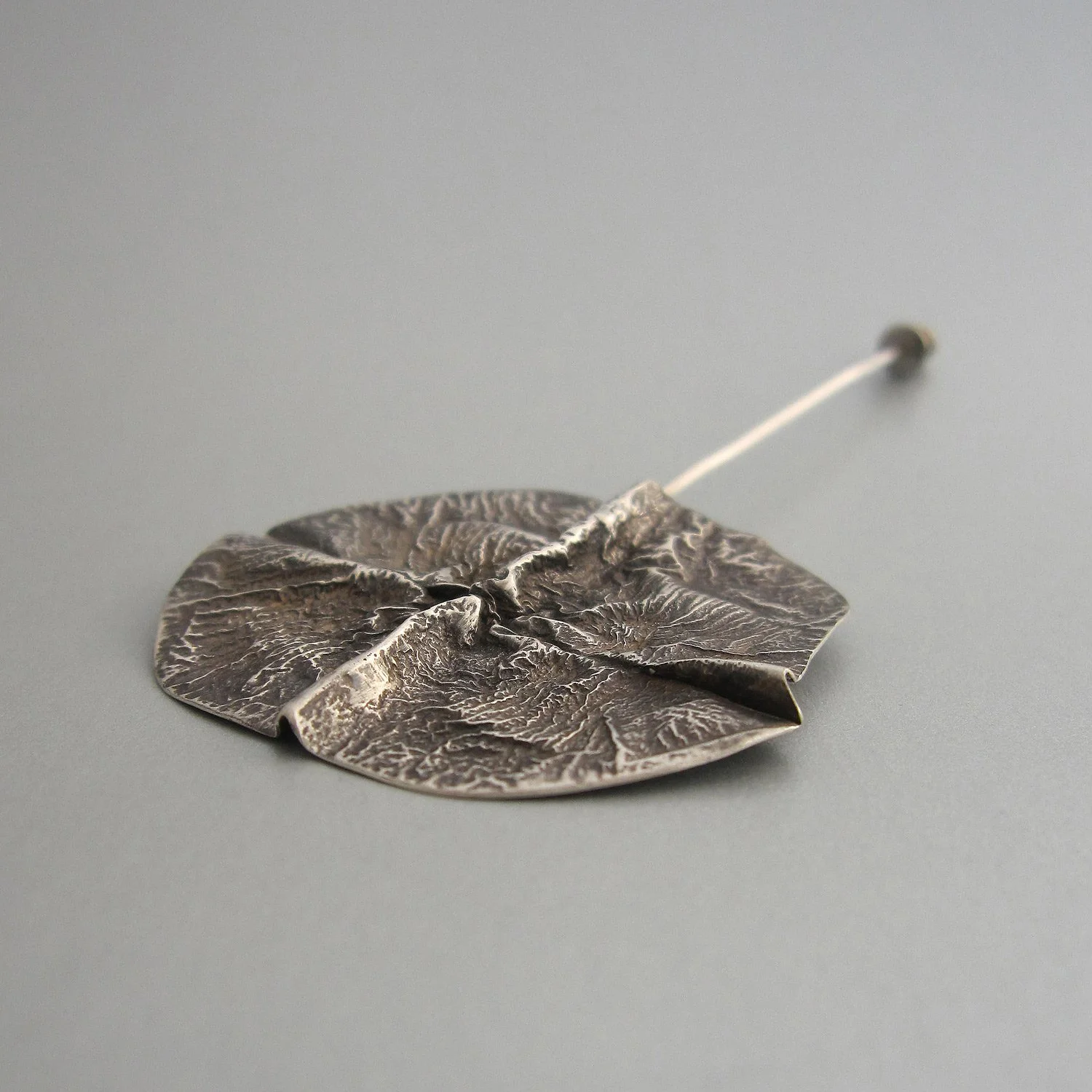
    The cresta abissale brooch in the image, for sale in the online shop, was handmade using this technique.

Mondays just got a glow‑up!

Each week through year’s end, a new Maddalena Bearzi nature‑inspired jewelry piece will drop at 40% off — available for a full seven days. This time, we feature the handcrafted terra d’oro girato ring.
Think:🌱 Wild textures 🍂 Earthy tones 🎨 Wearable art at dreamy prices

Stay tuned on Instagram & Facebook to see which design blooms next. Discount code revealed weekly — applied at checkout!

terra d’oro girato ring: unique, handmade, adjustable and elegant!