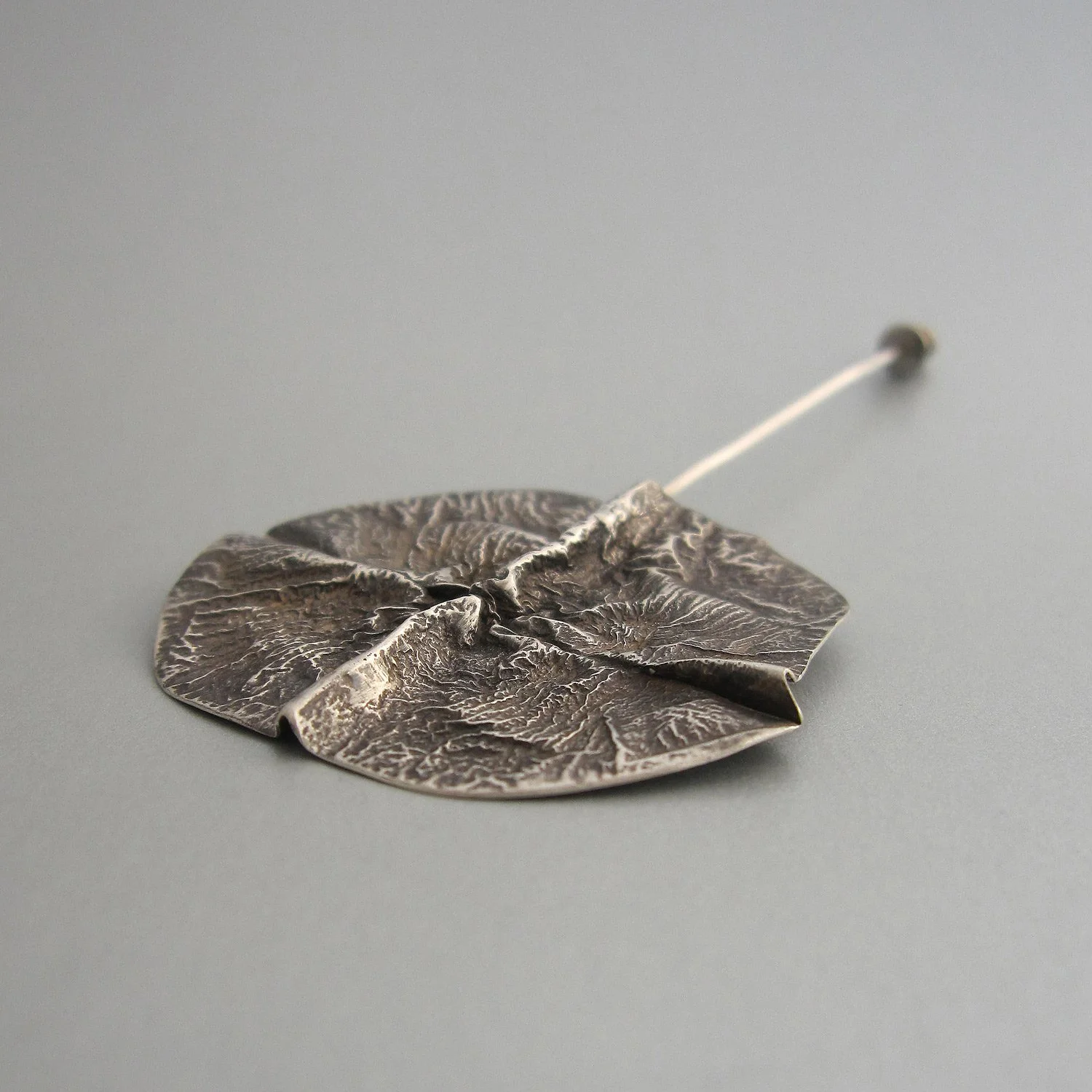
Oxidizing silver is one of my favorite techniques when I make jewelry. It’s a straightforward process that adds depth, contrast, and character to my pieces. A darkened surface helps highlight details like hammer marks, engraving, and granulation. Oxidizing silver also makes pieces feel more organic and lived-in. Whether I want a dramatic finish or to make textures stand out, creating a dark patina is safe and relatively simple with minimal equipment.
Ingredients: Liver of sulfur, a heat‑safe glass or ceramic container, warm water, baking soda, soft cloth or fine steel wool, gloves, and finally good ventilation.
Step‑by‑Step: Creating the Patina
Clean your silver thoroughly. Oils and fingerprints will cause uneven tones. A quick scrub with dish soap or a dip in a jewelry cleaner works well.
Mix your liver of sulfur. Fill your container with warm water and add a small amount of liver of sulfur. The warmer the water and the stronger the solution, the faster and darker the patina will develop.
Dip your silver. Submerge the piece, and watch the color change — it typically shifts from golden to deep charcoal within seconds. Keep it in until you achieve the shade you prefer.
Rinse and neutralize. Remove the piece and place it in a baking‑soda‑and-water bath to stop the reaction.
Refine the finish. If you want contrast, lightly buff raised areas with a soft cloth or steel wool. This leaves the dark patina in the recesses while bringing back shine on the high points.
The cresta abissale brooch in the image, for sale in the online shop, was handmade using this technique.